Starting a Consignment Store Part 4: Location, Layout, and Online Presence

Kent Atkinson
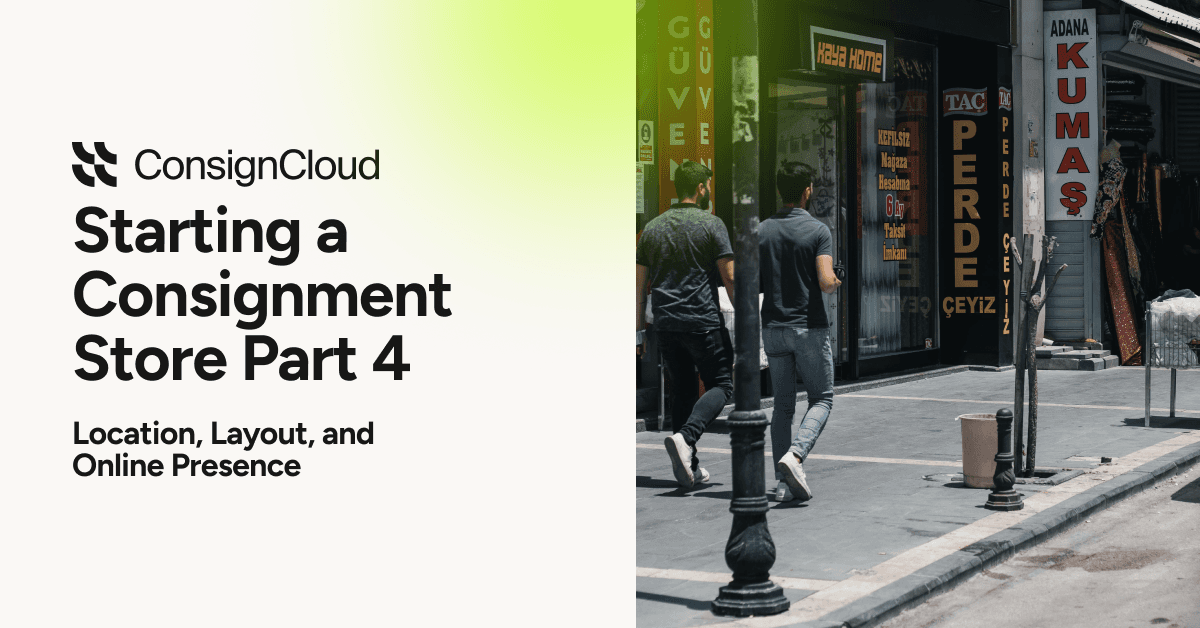
Choosing Your Storefront: Location, Layout, and Online Presence for New Consignment Shops
One of your first big steps is choosing your “storefront”. These choices shape how customers discover and experience your shop. In this post, we’ll cover finding the right location (neighborhood fit, foot traffic, rent, and leases), creating an inviting layout that energizes shoppers, and building an online presence to reach customers beyond your door. Let’s dive in with confidence and inspiration – you’ve got this!
Finding the Perfect Location for Your Shop
Your store’s location can make or break its early success. The goal is to find a spot that fits your niche, attracts customers, and stays within your budget. Here are key factors to consider:
Neighborhood Fit: Choose a neighborhood that matches your shop’s niche and target market. Research local demographics (age, income, lifestyle) to ensure there’s demand for your goods. For example, if you sell trendy vintage fashion, an urban arts district or hip shopping street might be ideal, whereas children’s furniture consignment might thrive in a family-focused suburb.
Foot Traffic Potential: Visit potential spaces at different times (weekday vs. weekend, daytime vs. evening) to observe how many people walk by. High foot traffic increases visibility and the chance that someone will wander in and discover your store. Being near complementary businesses can also help (for instance, a consignment boutique near a busy coffee shop or bakery can catch shoppers who are already out and about).
Rent Benchmark: Keep your rent affordable relative to your expected sales. A common benchmark for retail is that rent (plus associated occupancy costs) should be around 10% of your revenue. For example, if you project $20,000 in monthly sales, aim to keep your monthly rent about $2,000 or less. Staying within this range helps ensure you’re not overstretching your finances on rent alone.
Basic Lease Negotiation: Leases are negotiable, so don’t be afraid to seek terms that set you up for success. Try to negotiate that rent only commences when your store is open (you shouldn’t be paying full rent during months of build-out before you can start earning).
Visibility & Accessibility: A great location is one that customers can easily see and reach. Look for a space with an attractive façade where you can display clear signage (check local rules about signs) and maybe a display window to showcase items. Also, make sure the location is safe and convenient to enter (well-lit at night, wheelchair accessible entrance, etc.). Strong visibility and easy access remove barriers and invite more customers through your door.
Your storefront is part of your brand story, from your logo to your window displays, every detail matters. Check out three ways to strengthen your consignment store’s brand for inspiration on how to make your location instantly recognizable.
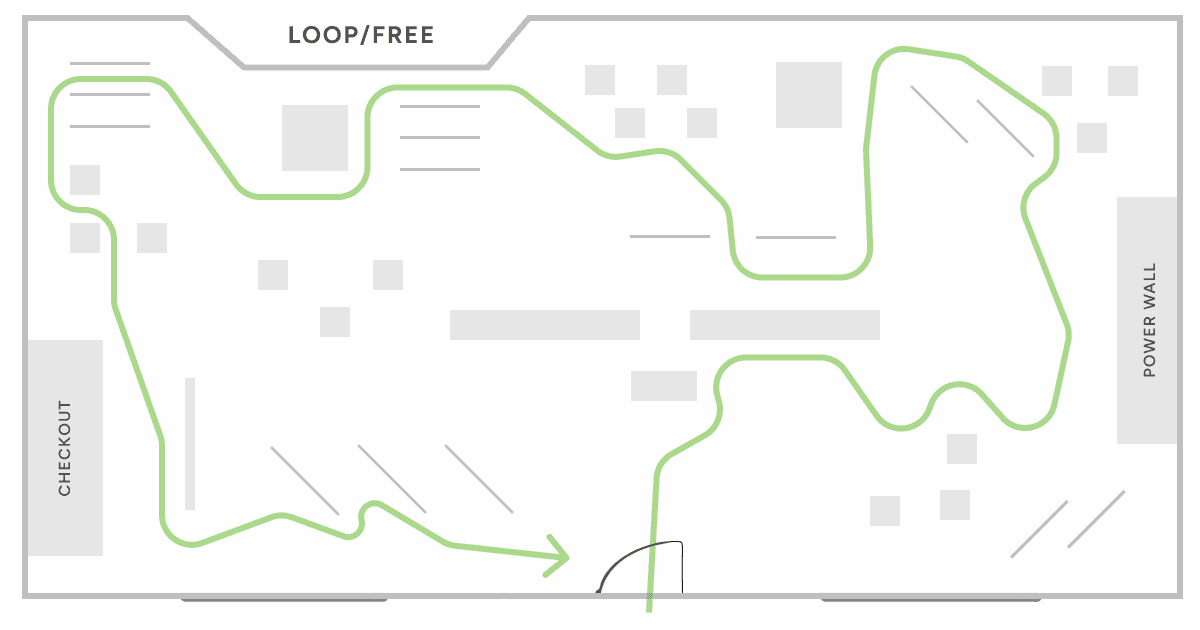
Store Layout: Creating an Inviting Energy
Your store’s layout and interior design set the tone for every customer’s experience. Focus on creating a feel and energy that fits your brand and makes people excited to browse. You don’t need a degree in design – just put yourself in the customer’s shoes and craft a space that’s welcoming and easy to enjoy. Check out this blog post for best practices when considering layout for your store:
Building Your Online Presence
In the digital age, even a local consignment shop needs an online presence. Many of your customers will discover you or form an opinion before they ever walk in, based on what they find online. The good news: you don’t have to be a tech expert to cover the basics. Focus on three core online elements to start building your shop’s visibility and credibility:
Google Business Profile: Make sure your store can be found on Google. A Google Business Profile (formerly Google My Business) is a free listing that puts your shop on Google Maps and search results for local shoppers. Setting up your profile is essential because it lets you display your address, hours, photos, and reviews right where people are looking.
Why does this matter? 81% of US consumers say that being able to easily find a local retailer online is important. By claiming your Google listing, you make it simple for someone to search “resale/consignment shop near me” and see your store pop up with a pinned location, “open now” label, phone number, and even pictures of your best items.
Website: Next, create a simple website for your shop. This doesn’t need to be elaborate or expensive. A single-page site with key information can do wonders.
Services like Shopify make it easy for beginners to set up a basic website (and you can always expand it later for online sales). At a minimum, your site should include your contact information, store hours, location, and a little about your story and niche. Share what makes your consignment shop special: Are you focused on upscale designer resale? Budget-friendly kids’ gear? Vintage treasures? Let your personality shine through a short “About Us” section.
A website is also a great place to highlight a few featured products or announce upcoming events (like your grand opening or a seasonal sale). Make sure the site is user-friendly and mobile-ready, since many people will check it on their phones.
If you want to make a website, be sure to check out ConsignCloud's Shopify integration.
Social Media (Pick One): It’s easy to get overwhelmed by social media, so start with one core platform that best connects with your target customers. Think about your ideal shopper and which social network they frequent. Whichever platform you choose, set up a business account (with your shop name and logo) and let the world know you’re open for business. Share engaging content: photos of unique items, behind-the-scenes looks at setting up your displays, short videos of new inventory coming in, or even spotlights on consignors who bring in great pieces.
Consistency beats volume—it’s better to post regularly on one platform than to stretch yourself thin over five of them. Social media can create real buzz for your store, essentially becoming free marketing that runs 24/7 even when your physical shop is closed. And it’s a two-way street: respond to comments and messages, engage with local influencers or community pages, and build an online community around your store’s brand. Over time, this helps drive more people to check out your shop in person and keeps past customers connected.
How ConsignCloud Supports Stores with Location, Layout, and Online Presence
ConsignCloud enhances both the look and the efficiency of your store. With customizable price tags and labels, you can create a professional, branded appearance that matches your store’s layout and merchandising strategy. You can also track and organize inventory with powerful filtering and tagging features, so you can rotate stock and set up discounts with ease. On the digital side, ConsignCloud integrates with Shopify, keeping your online presence just as organized as your physical store. That means customers browsing your website see accurate inventory in real time, and your store staff don’t need to double-enter product details.
Jump to Part 5: Hiring and Building Your Team where we share how to hire, onboard, and train employees for your consignment store.