5 Design Tips to Make Your Consignment Store a Shopping Destination

Samuel Dickison
Intro
More than ever, shoppers are looking for an experience. Gen Z in particular treats shopping as a social activity, akin to going to the movies or going out for drinks. The upshot? The way you decorate your store has never been more important. Become a place where people want to be and people will… want to be there.
But beware! In our social media age it's all too easy to copy and paste whatever trends you see roll past. The reality is that good design is as varied as people; there are infinite possibilities. What works for one will look forced and inauthentic on another.
Below we'll outline 5 ways you can make your store sing while keeping it unashamedly you.
Tip #1: Start with Principles
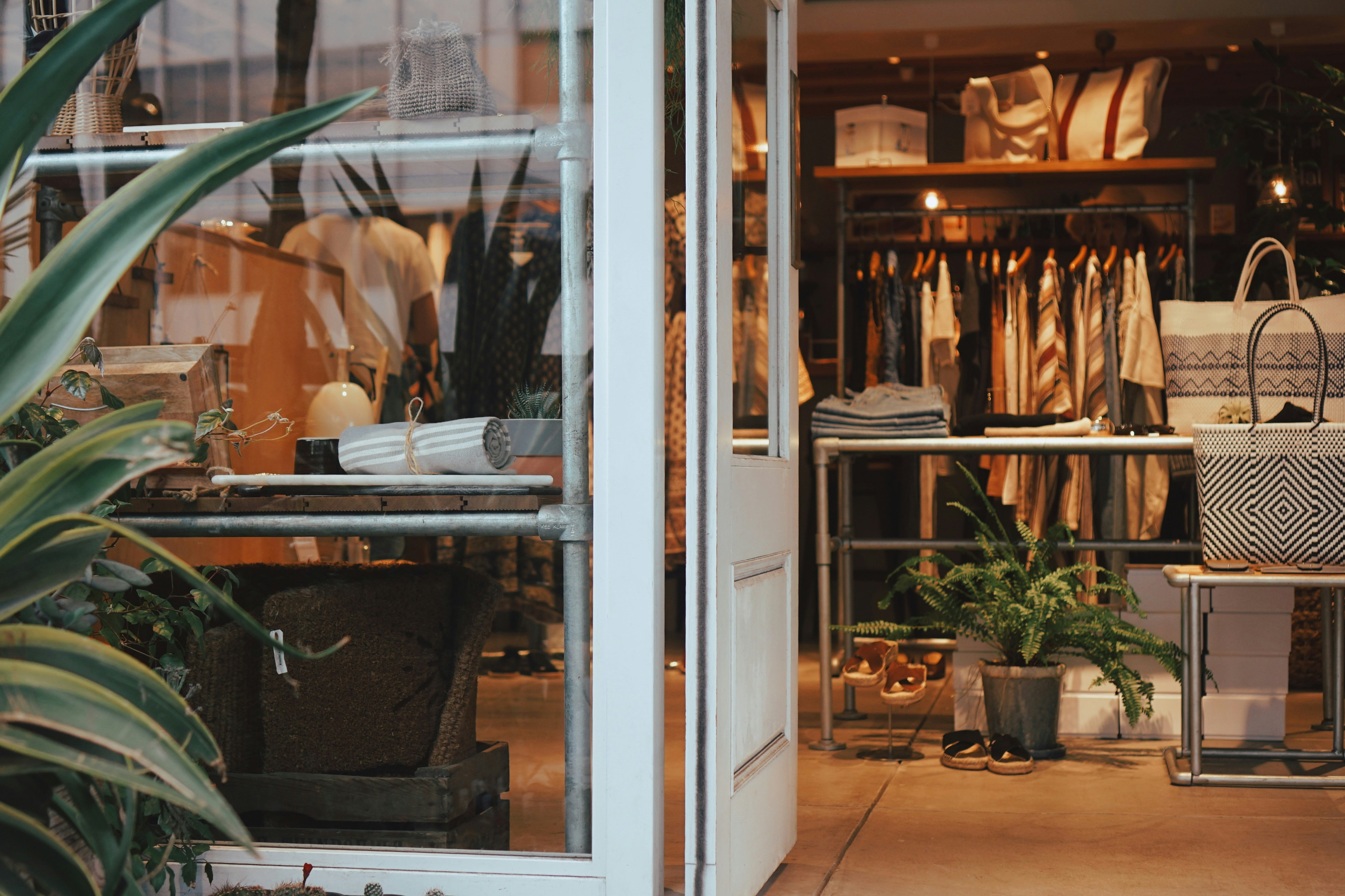
Rather than picking out particular details, it's always best to start with the fundamentals. Someone once said the blues are three chords and the truth… and with three chords there are still millions of possibilities. Design operates the same way.
Hospitality
Remember that you're hosting people in your store. Whatever you do, prioritize your customer. Make it clear to them that you want them there. This will affect everything from considering their physical needs—a place to sit, light to see, clear signage, pleasant sounds and scents—to their desires: what do they really want? In the same way that a good hostess greets their guests at the door and ushers them in, your store should make people feel welcome and at ease.
Balance
When designing your store, start with the biggest elements first and aim for both balance and hierarchy. You may not have the ability to move walls or windows, but consider what your largest or most eye-catching furniture will be and go from there. Don't have a lopsided floor, and don't have all your display racks or furniture the same size. Your customers will appreciate the clarity that comes from having one or two focal points to draw their eyes.
Intrigue
One of the most difficult lessons to learn is that you shouldn't be too obvious. You don't ever want to confuse your customers, but neither do you want to show everything at once. No one enjoys a book that gives away the ending in the first chapter. In consignment especially, your customers want to feel like they can discover hidden gems. Your store should provide opportunities for this kind of discovery—partially obscured sight lines, tilted racks, shelves not lit by spotlight. The surest way to draw people farther across your sales floor is to intrigue them; show just enough to pique their interest, but not enough for them to think, "Seen it all before."
All Five Senses
Remember that you're selling to humans. It's easy to focus on the visual, but everyone who walks into your store will also be hearing, smelling, and feeling. Music is the most obvious way to influence sound, but there are other factors just as important but often overlooked. Do your hangers clatter along the racks? Is there a squeaky door? Does sound ricochet off your concrete walls?
Feel will be much more specific to the type of goods you sell, but everyone will walk, sit, and open doors in your establishment. Find the touchpoints with the highest traffic and make an effort to dial them in—from solid handles on your dressing room doors to a thick rug at the entry, small details can make a big impression.
Scent is by far the most evocative sense. But before you go lighting candles on every rack, remember that it's also the most subtle. Oftentimes the best scents are natural and understated. Newsprint, cedar shelves, flowers, floor polish—all have good smells. Just avoid anything chemical and overpowering.
Tip #2: See the Light
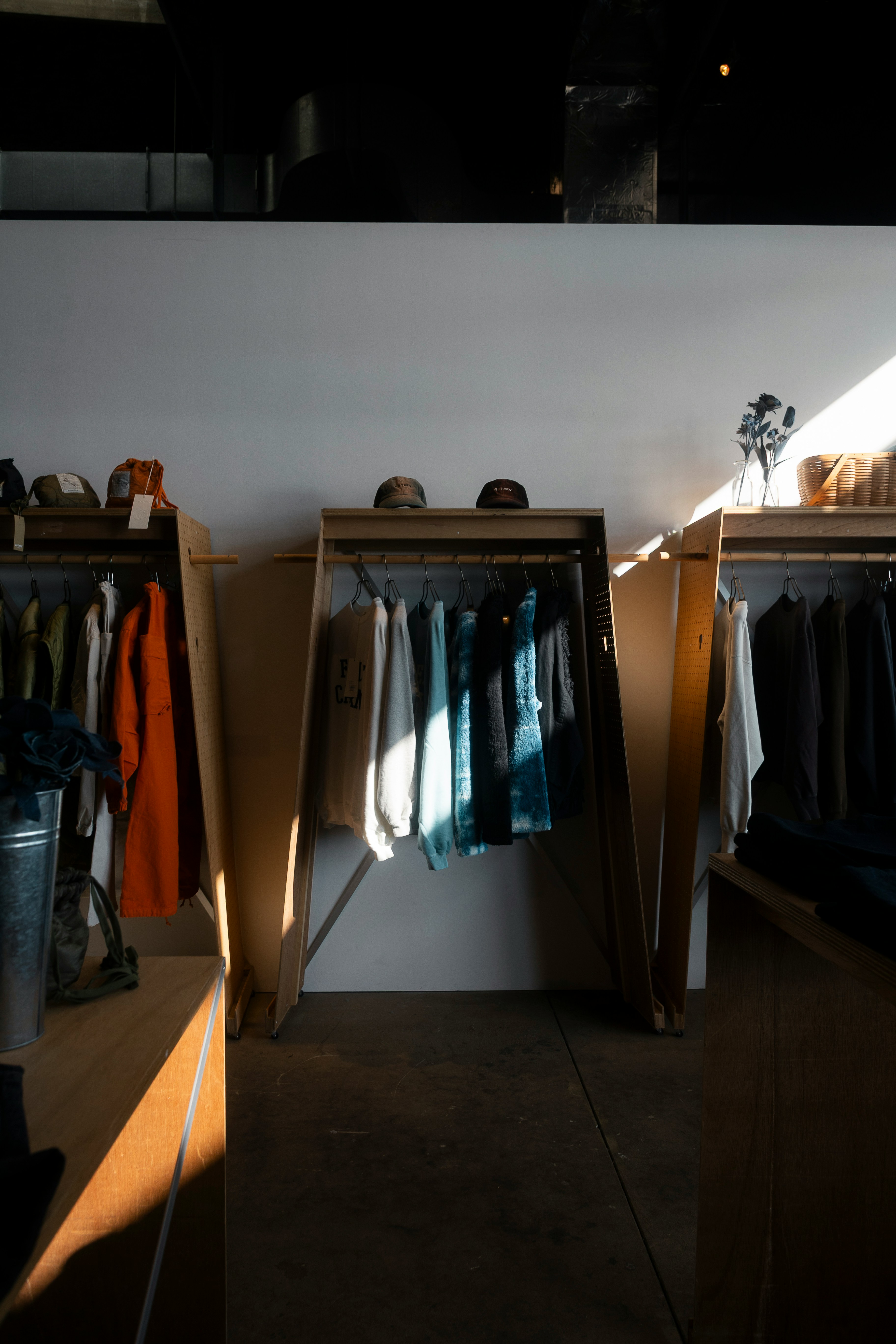
Almost more than any other single factor, light will set the mood. Before getting into specifics, start by determining your primary light sources: windows, overhead lights, or more focused lighting—lamps, strip lights, wall lights. As a rule of thumb, overhead lighting is the least flattering, lamplight the most, and natural lighting almost always calm and uplifting. Keep in mind the principle of intrigue: not everything should be illuminated at the same level.
Ambient Lighting
Ambient lighting is the base or background lighting for your store. Lighting can be largely classified as either warm (towards the red end of the spectrum) or cool (towards the blue end). Warm light tends to feel cozier and more inviting but illuminates less clearly. Cool light is harder but illuminates more clearly. It often works well to decorate with colors opposite in temperature to your ambient light. Too much coolness and your customers can feel like they're in a laboratory. Too much warmth and they'll feel sleepy.
Task Lighting
Task lighting is light designed to illuminate some functional task. Ask yourself: what jobs will shoppers need to do? Then make sure they have enough light to comfortably do them. You may want sections of your store shrouded in mystery, but no one wants to feel blindly for the bathroom door handle. Don't make your task lighting feel too utilitarian—nice lamps, or bulbs with adjustable temperature, can get the job done without making your store feel like the DMV.
Accent Lighting
Accent lighting acts as a spotlight—illumination to draw your customer's eyes to a particular section or display. Use it sparingly: if everything is important, nothing is. Generally, your customers' eyes will be drawn to the brightest areas or areas of highest contrast. Decide what you most want people to look at and add an accent light above the star of the show. But be sure it's not competing with other lights—an accent light beside a window adds nothing.
Mirrors
Mirrors let your customers see themselves in your goods and add space and light. If they're there as functional tools, make sure you consider both what is reflected in the background and how the area is lit. Imagine your mirror as a portrait with your customer as the subject. Are they flatteringly lit? Is there a trash can behind them or a harmonious display? If they look good, they'll be far more likely to buy.
Tip #3: Embrace the Greenery
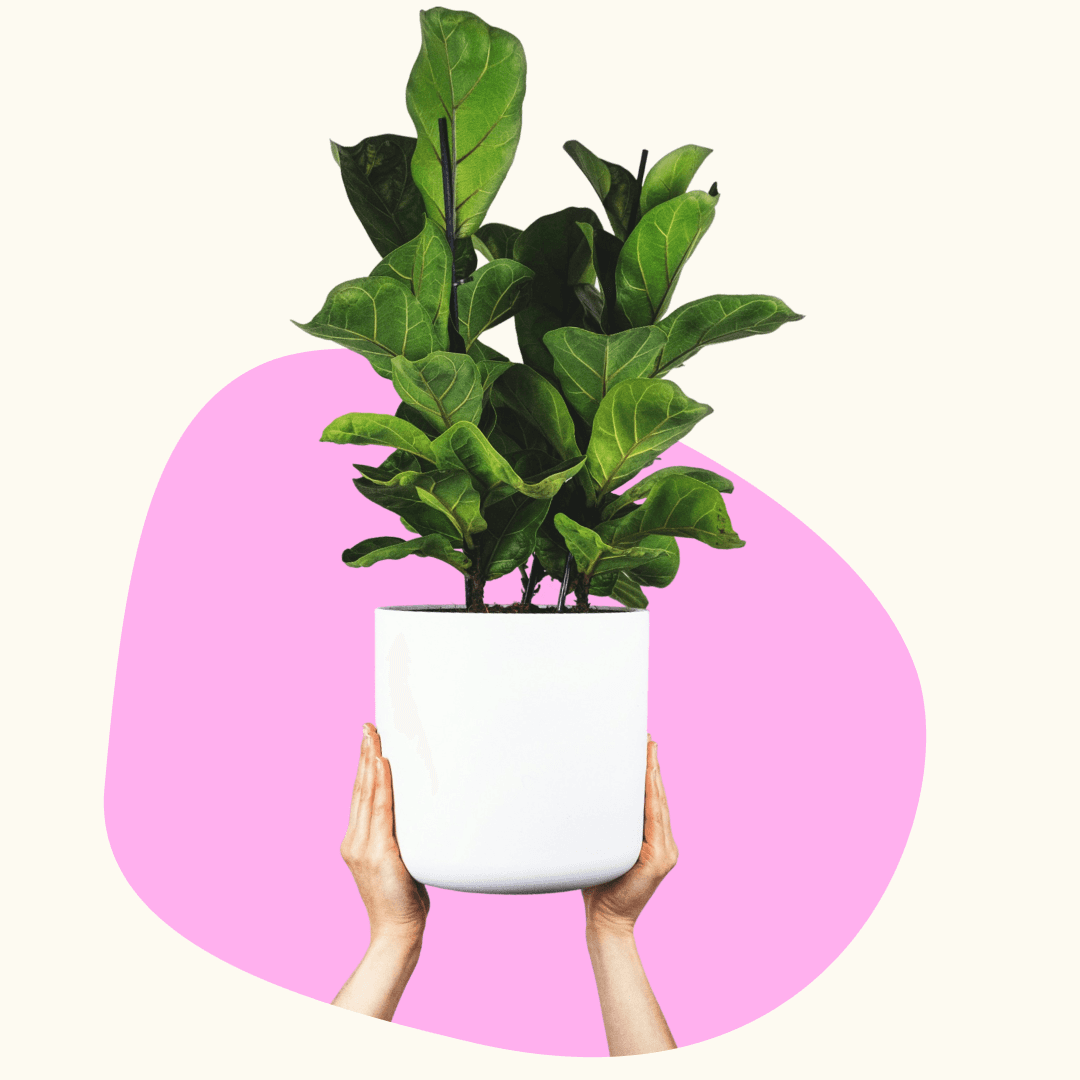
Nothing says care, hospitality, and "I'm alive!" like a plant. Having to water something once a week is a great tradeoff for the life and ambiance it brings to your store.
Plants are also an efficient way to break up lines of sight or draw soft boundaries around sections. Even a small potted plant on a pedestal can feel like an intentional marker and provides nice contrast to rows of racks or shelves.
Whether you sell used outdoor gear, clothes, ceramics, or records, no one will be put off by some greenery. And as online shopping becomes the primary market, plants are just one more way to enhance the in-person experience.
Tip #4: Think in Three Dimensions
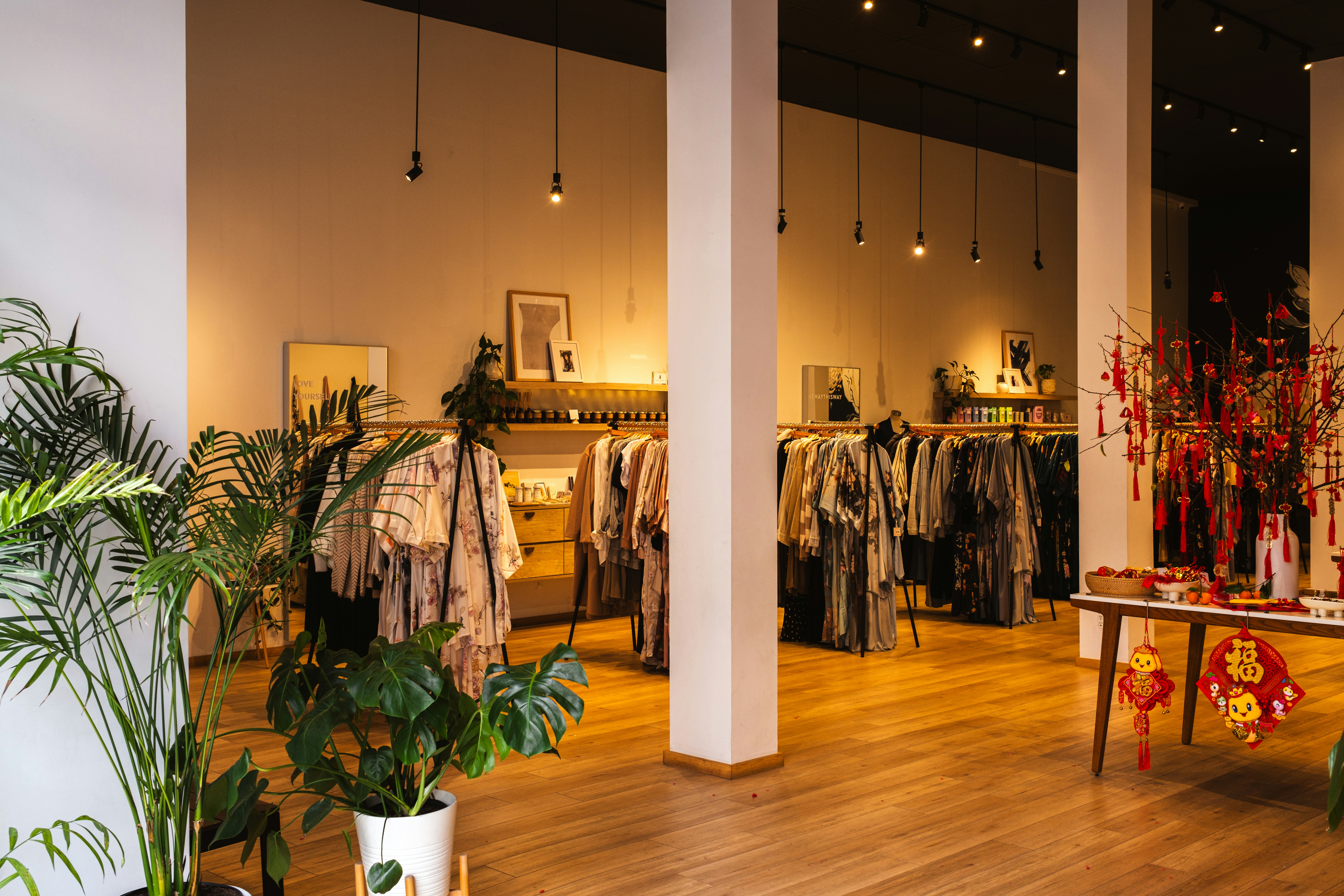
Vertical space is your friend. Don't make people bend down or reach up too much, but don't assume everything needs to be at eye level. The most functional room in the house—the kitchen—is organized on at least three different planes. Don't be afraid to use shelving or tables to increase your available space.
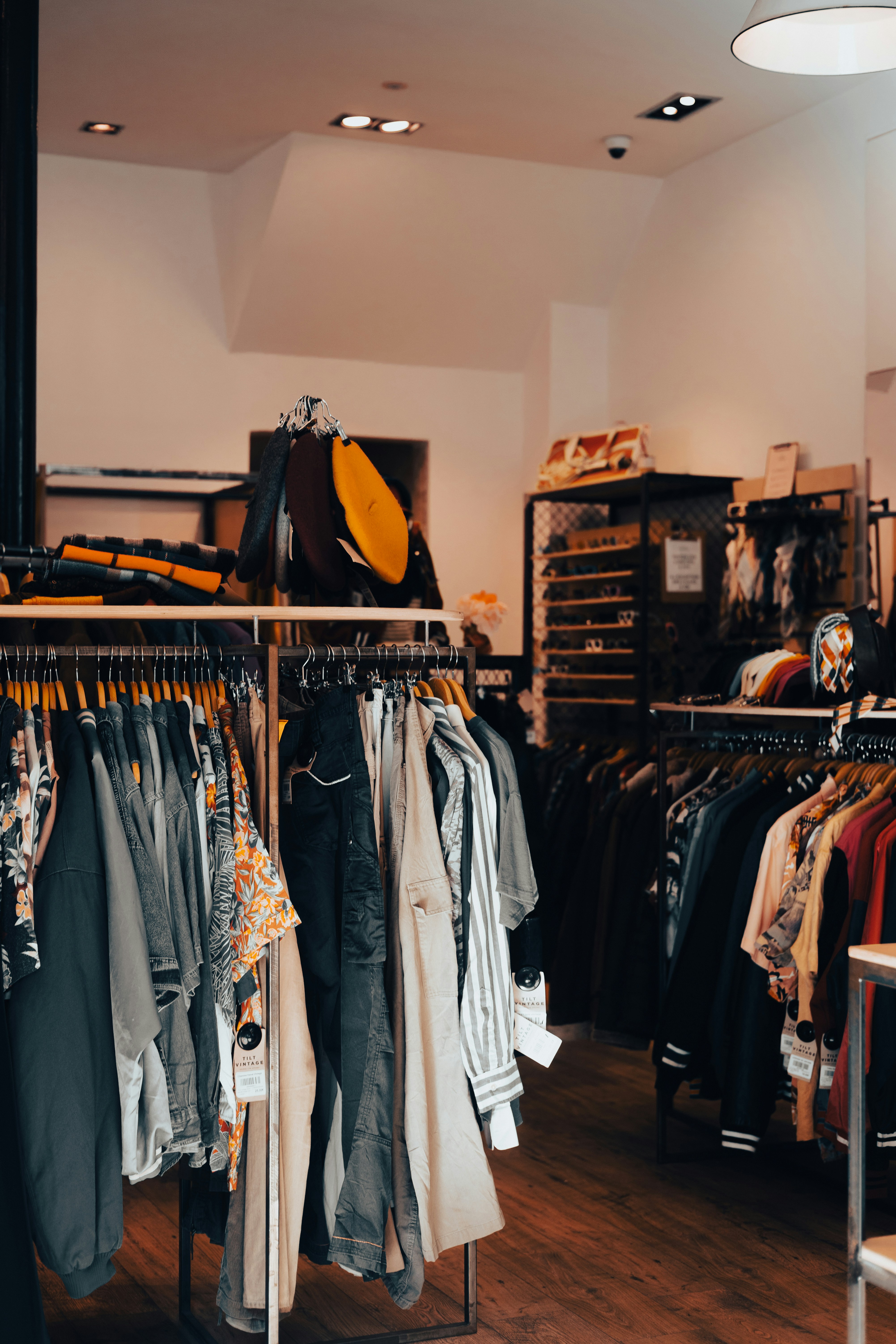
Your store will also feel larger if you draw customers' eyes up with signage, merchandise, or decor. And if you're blessed with high ceilings, adding elements above the fray will only increase the effect.
Finally, think about the density of your space. Many interior designers recommend a "decompression zone" at the entrance—an uncluttered space where shoppers can stand for a moment to get their bearings. As they make their way farther in, increase density. Ideally, they'll feel as if they've entered a magic place full of treasure waiting to be discovered.
Tip #5: Be Intentional About Furniture
The furniture in your store will communicate a lot about how you view your customers. Even an end table here and there signals "this is a place for humans." If you want people to sit down, give them a comfortable space. And if you'd like them to try on something that requires setting something else down, make sure you're not asking them to drop it on the floor.
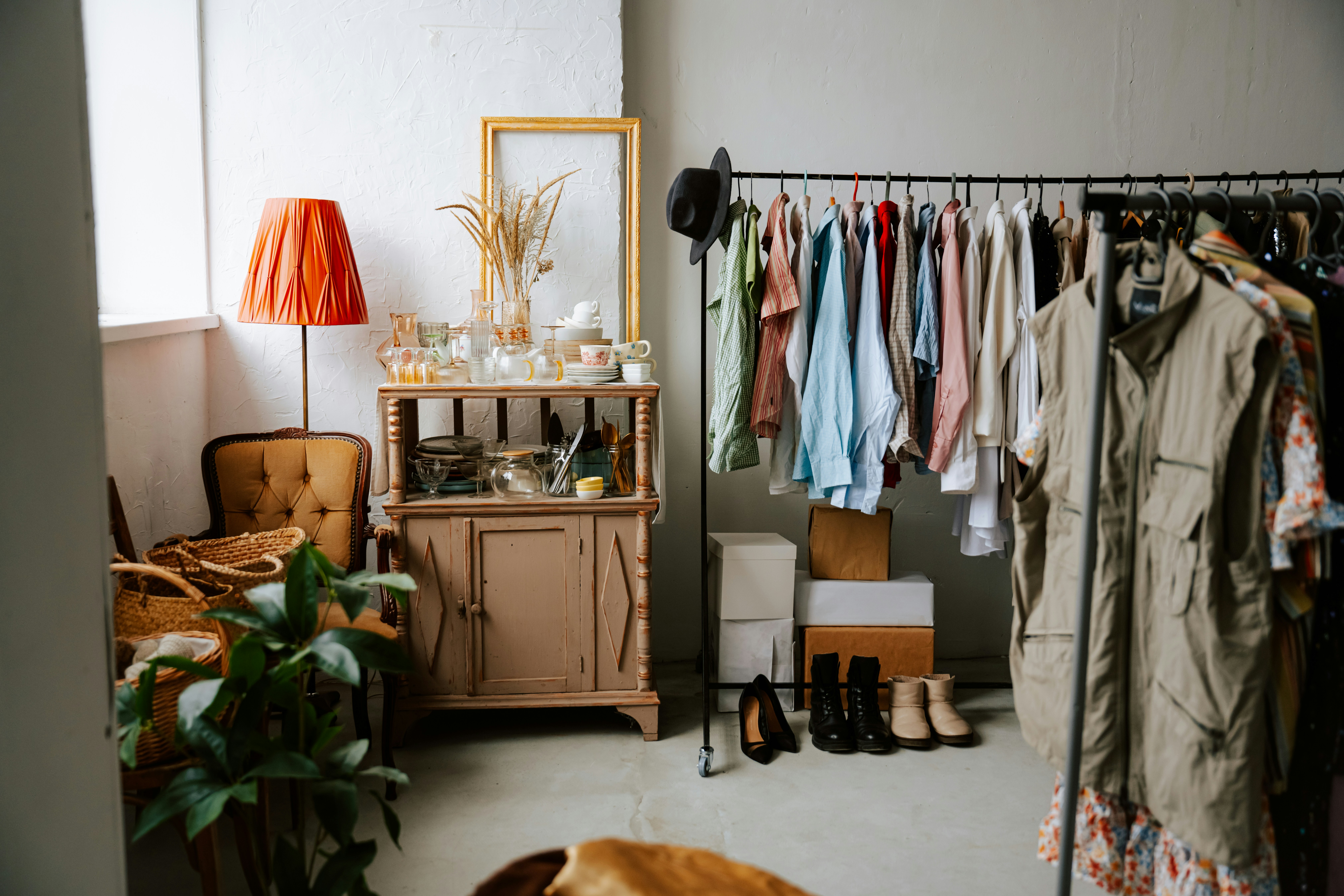
Furniture can also serve more than one purpose. Lots of benches have built-in storage. Shelves are not only an efficient use of vertical space, they can be a great sound dampener. And if you're tempted to think you don't have room for furniture, run the calculation: one less display could mean people linger longer and buy more. In small spaces it's tempting to push furniture against the walls—don't. Air around furniture will make your space feel larger. If you treat your sales floor like a car's engine bay, maximized only for efficiency, your customers will feel less like guests and more like amateur mechanics.
Conclusion
As you consider the inside of your store, especially starting from zero, all that empty space can feel daunting. But others have gone before you. Books and magazines can be good, solid guides in a sea of less considered internet froth. And next time you find yourself walking into a space and feeling that almost imperceptible lift, look around and note what's working.
Armed with the above advice and your own good taste, you can make your store an appealing place to be. And, whatever you do, stick to your vision.