How to Price for Consignment in 2026

Samuel Dickison
Intro
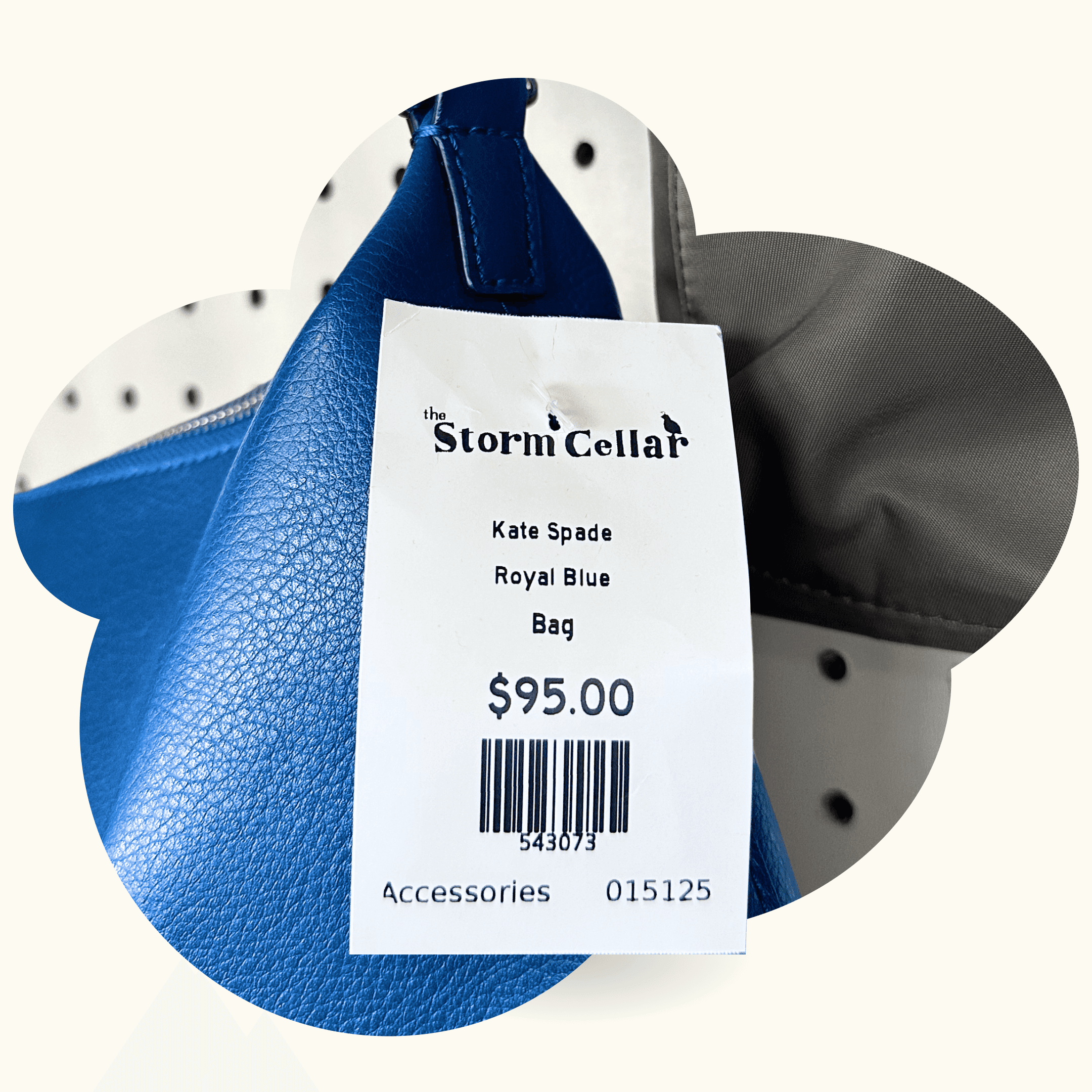
Pricing items that are one-of-kind is tough. And it feels like there’s a lot at stake: price something too low and you lose money; price it too high and it doesn’t sell (and you lose money). Beyond that, there are all sorts of intangibles tied to price. How does it reflect on your store? Your expertise? How your customer feels when they part a rack of clothes and strike gold?
After all, everyone who walks into a consignment store is on a treasure hunt. Your price determines how happy they are when they walk out the door. And how many of their friends they tell about your shop.
Here’s the good news: it’s not that hard. With a few simple principles, a little experience, and the increasingly powerful tools built for consignment, nailing the perfect price can quickly become a reliable skill.
Side note: if you really want to get into the weeds, we have a whole How-To Series on pricing.
Where to Start
Successful pricing begins with having a good baseline. A simple rule of thumb is to price at one-third the original cost. Of course, that ratio could change depending on your store’s genre. Run-of-the-mill items can have a lower baseline; luxury items a higher (in some cases, luxury brands will even increase in value). But find a reasonable number and stick to it.
How do you find the original cost? Fire up your search engine (AI or old school). Get as specific as possible: search by brand, gender, material, and category. For example, you might try: “Gap men’s wool sweater.” Even if you don’t get an exact match, you should be able to find something close enough to make a confident decision.
For those items that are truly rare, there are plenty of sites now that specialize in hard-to-find merchandise. From ebay to more niche marketplaces, the internet is your ally. And if your consignors consistently bring in those pieces, consider having a second default baseline for unique goods—half price rather than one-third.
Finding the Sweet Spot
Once you’ve established your baseline, it’s time to fine tune. Write down a list of negative qualities (wear, low-quality, ubiquity, fringe sizing) and positives (good condition, high-quality, trendiness) and add or subtract 10% for each.
Let’s walk through a practical example. A consignor brings in an XL Carhartt jacket. It sells new for $150, which means your base price is $50. It has some slight wear in the lining (minus 10%) and you know that XL items take longer to sell (minus 10%). You’re now at $40. BUT, you also know that Carhartt is well-made and will last forever (plus 10%). Your price? $45.
This is also where data comes in real handy. If you know (and ConsignCloud can tell you) what has been hot lately, consider an additional 10%. Has Tom Holland been strolling around in vintage military pants? Did Timothy Chalamet wear Timberlands courtside at the Knicks? Then give the people what they want.
In all your decision-making, keep this principle in mind: your customer wants to feel like they got a great deal and they got a great item. Your pricing should communicate both—this item has value and we want you to get it! Ask yourself: would I be happy to pay the number on the tag if I found this in a clean, well-lit, well-curated store? If the answer is yes, then you did it.
So, since everyone loves a good checklist:
Define your baseline discount.
Track down the original cost of similar items.
Adjust in 10% increments (according to your criteria).
Quick gut check.
Price and sell.
Everybody Wins
The ultimate goal is for you, your consignor, and your customer to all be happy. You want to run a successful shop, your consignor wants to get a fair price, and your customer wants gold at the end of the rainbow. A consistent, repeatable, and data-informed pricing structure checks all three boxes. It won’t be long before you don’t have to think twice about setting a price, and those rare, unexpected items will feel like exciting opportunities rather than stressful gambles.
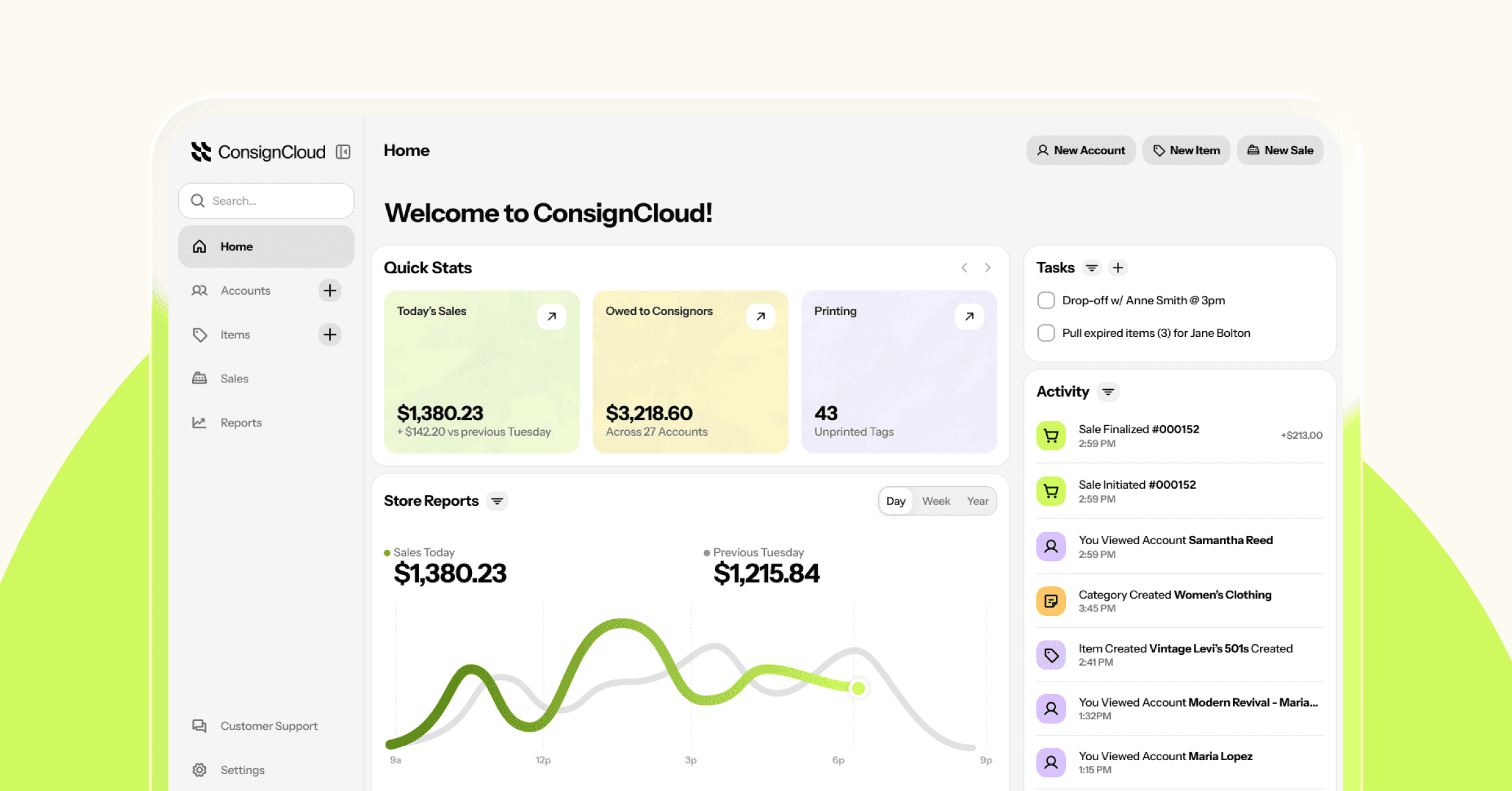
Software like ConsignCloud helps you both accelerate that learning curve and multiply your upside. Once it learns your pricing, it will begin offering its own recommendations, give you insight into what’s working, and make pulling numbers a breeze. Here’s to your success!